San Antonio homeowners rarely deal with just one type of pest at one predictable time of year. The local climate, long warm seasons, periods of rain, irrigated landscaping, shaded patios, garages, attics, and foundation areas can all create conditions where pests stay active for much of the year.
Some pests are obvious. Ants may show up near a kitchen counter, mosquitoes may make the backyard uncomfortable, or roaches may appear around drains and cabinets. Other problems are harder to detect. Termites may work behind walls or near foundations, rodents may move through attics and wall spaces, and spiders or scorpions may enter through small gaps around the home.
That is why pest prevention in San Antonio should be treated as an ongoing part of home maintenance. Waiting until pests are widespread can make the issue more difficult to control. A year-round strategy helps homeowners identify risk areas early, reduce entry points, and protect the property before minor activity becomes a larger problem.
San Antonio’s Climate Supports Ongoing Pest Activity
Warm weather allows many insects and rodents to stay active longer than they would in colder regions. Add moisture, outdoor food sources, dense landscaping, and shelter around a structure, and pest pressure can continue through multiple seasons.
Homes may attract pests because of:
- Moisture near foundations or landscaping
- Food crumbs or pantry access
- Pet food stored in garages
- Gaps under exterior doors
- Openings around pipes or utility lines
- Standing water outdoors
- Cluttered storage areas
- Dense shrubs near exterior walls
- Damaged screens or weatherstripping
- Roofline or attic openings
Even clean, well-maintained homes can have pest issues when pests find the right combination of food, water, shelter, and access.
Termites Require Special Attention
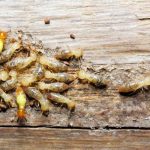
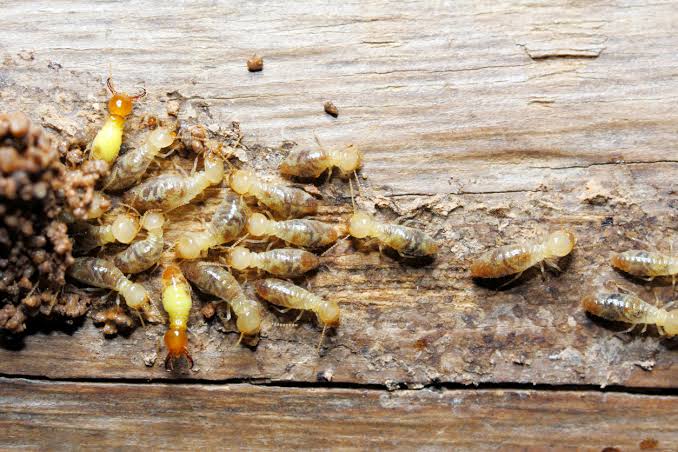
Termites are among the most serious pests because they can cause damage while staying hidden. Many homeowners do not see the insects themselves. Instead, they may notice subtle warning signs after the colony has already been active for some time.
Possible termite warning signs include:
- Mud tubes near the foundation
- Discarded wings
- Swarmers near doors, windows, or lights
- Wood that sounds hollow
- Damaged trim or baseboards
- Bubbling or blistered paint
- Soft or weakened wood
- Tight doors or windows
- Moisture near wood or foundation areas
A termite problem should not be handled with guesswork. Homeowners who suspect activity should schedule an inspection so the property can be evaluated properly. For families comparing termite protection for Central Texas homes, the goal should be early detection, proper identification, and a plan that fits the structure.
General Pest Control and Termite Prevention Should Work Together
Many homeowners think of termites as separate from regular pest control. In one sense, they are different because termite treatment requires a specialized approach. But from a home-protection standpoint, termites and general pests are often connected by the same conditions: moisture, shelter, access, and hidden structural areas.
A complete prevention plan may include:
- Interior and exterior inspection
- Foundation review
- Moisture assessment
- Entry-point identification
- Treatment around active pest areas
- Termite monitoring or treatment
- Rodent exclusion recommendations
- Yard and landscaping guidance
- Follow-up visits when pest pressure changes
This broader view matters because a home can have termite risk around the foundation while also dealing with ants, roaches, rodents, mosquitoes, spiders, or outdoor pest activity elsewhere.
Moisture Is One of the Biggest Pest Triggers
Moisture can quickly turn a small risk area into a pest-supporting environment. Leaking pipes, clogged gutters, damp wood, poor drainage, AC condensation, or overwatered landscaping can all make a property more attractive to pests.
Moisture can support:
- Termites
- Cockroaches
- Ants
- Mosquitoes
- Silverfish
- Rodents
- Occasional invaders
Homeowners should regularly check under sinks, around water heaters, near laundry areas, around exterior faucets, along foundation edges, and near gutters and downspouts. Any area where wood stays damp or water collects should be watched carefully.
Fixing moisture problems does not replace pest treatment when pests are already active, but it can reduce the conditions that allow them to return.
Rodents Can Enter Through Very Small Gaps
Rodents can create major problems once they find a way indoors. Mice and rats may use garages, attics, pantries, wall voids, sheds, and storage areas for shelter. They may chew materials, contaminate food areas, damage insulation, and create recurring activity if access points remain open.
Common signs of rodent activity include:
- Droppings
- Scratching sounds
- Chewed packaging
- Gnaw marks
- Shredded nesting material
- Greasy rub marks
- Unusual odors
- Pet attention focused on one wall, cabinet, or appliance
Rodent control should include more than traps. Trapping may reduce current activity, but the problem can return if rodents still have access through garage-door gaps, utility openings, foundation cracks, vents, or roofline openings.
A stronger approach includes inspection, removal, entry-point recommendations, sanitation guidance, and follow-up monitoring.
Roaches and Ants Often Start With Food and Water
Ants and roaches are common in homes because they can find small openings and survive around food, moisture, and shelter.
Ants may be attracted to:
- Crumbs
- Sugar
- Grease
- Pet food
- Pantry items
- Moisture near sinks
- Outdoor plants close to the home
Roaches may hide around:
- Drains
- Appliances
- Cabinets
- Cracks and crevices
- Utility areas
- Garages
- Trash areas
- Damp corners
Cleaning visible activity is helpful, but repeated problems usually require a closer look. The source may be an entry point, moisture issue, nesting area, or hidden harborage site.
Mosquitoes, Fleas, and Ticks Need Outdoor Prevention
Outdoor pests can make patios, yards, porches, and play areas less comfortable. Mosquitoes are often linked to standing water, while fleas and ticks may be connected to pets, wildlife, shaded areas, tall grass, and leaf litter.
Homeowners should check:
- Buckets
- Plant saucers
- Birdbaths
- Clogged gutters
- Low yard areas
- Outdoor toys
- Pet bowls
- Dense shrubs
- Tall grass
- Leaf piles
- Wooded edges
Yard maintenance can help reduce outdoor pest pressure, but recurring mosquito, flea, or tick problems may need a structured seasonal service plan.
Entry Points Should Be Inspected Often
Many pest problems begin outside before they are noticed indoors. A small gap may not look serious, but insects, rodents, spiders, and occasional invaders can use it to enter.
Common access points include:
- Gaps under exterior doors
- Worn weatherstripping
- Garage-door corners
- Foundation cracks
- Utility penetrations
- Pipe openings
- Dryer vents
- Damaged screens
- Attic vents
- Roofline gaps
- Crawl-space openings
- Spaces around exterior fixtures
A seasonal inspection can help identify these weak points before pests use them repeatedly. Sealing small gaps, repairing screens, improving door sweeps, and maintaining the exterior can reduce future pest pressure.
Garages and Storage Areas Are Common Pest Zones
Garages, sheds, and storage rooms often attract pests because they provide shelter, clutter, food sources, and exterior access. Cardboard boxes, pet food, birdseed, tools, firewood, decorations, and outdoor equipment can all create hiding places.
Homeowners can reduce risk by:
- Using sealed plastic storage containers
- Keeping pet food in hard containers
- Organizing the garage
- Moving cardboard away from damp areas
- Checking corners for droppings
- Maintaining the garage-door seal
- Removing unused clutter
- Inspecting stored items before bringing them indoors
If droppings, gnaw marks, roaches, spiders, or repeated ant activity appear in the garage, the surrounding exterior should also be inspected.
Why One-Time Treatment May Not Be Enough
A single pest treatment can help with a specific issue, but San Antonio homes may face changing pest pressure throughout the year. Weather, moisture, landscaping, neighborhood activity, construction, and seasonal cycles can all influence which pests appear next.
Recurring service can help with:
- Regular inspection
- Exterior treatment areas
- Early pest detection
- Seasonal adjustments
- Interior service when needed
- Rodent entry-point awareness
- Moisture-related recommendations
- Follow-up when activity returns
Homeowners looking for pest control in San Antonio should consider whether the provider combines inspection, treatment, monitoring, and prevention. The best plan should be based on the home’s actual conditions rather than a generic service approach.
Questions to Ask Before Choosing a Pest Control Provider
Before hiring a pest control company, homeowners should ask practical questions that show how the property will be inspected and protected.
Useful questions include:
- Which pests are included in the service plan?
- Are termite inspections handled separately?
- Will both the interior and exterior be inspected?
- Are rodent entry points reviewed?
- Are treatments customized to the property?
- Is recurring service available?
- What happens if pests return between visits?
- Are mosquito, flea, and tick services available?
- How are termite treatments or monitoring handled?
- Does the company use an Integrated Pest Management approach?
Clear answers matter. A good provider should explain what is being treated, why pest activity may be happening, and what can be done to reduce future issues.
Prevention Is Easier Than Recovery
Pest problems are usually easier to manage when they are addressed early. Termites, rodents, ants, roaches, mosquitoes, spiders, fleas, ticks, and other pests can become more difficult when food, water, shelter, and access remain available.
A strong year-round plan should combine inspection, treatment, exclusion awareness, moisture reduction, yard maintenance, termite protection, and follow-up support.
iPest Solutions provides pest control and termite control services for San Antonio and nearby communities. The company describes its approach as using Integrated Pest Management, with support from on-staff entomologists, and offers residential, commercial, termite, rodent, and general pest control services. Its termite services include Sentricon termite protection and termite inspections for Central Texas and San Antonio homes and commercial buildings.
For San Antonio homeowners, the main takeaway is simple: pest prevention should not begin only after pests become obvious. By watching for warning signs, reducing attractants, correcting access points, and scheduling professional inspections when needed, homeowners can better protect their properties from year-round pest and termite pressure.