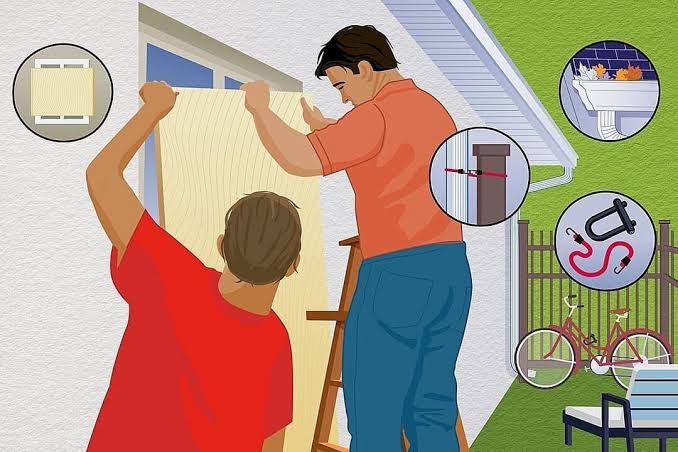
Most people picture hurricanes hitting the coast, not the middle of the country. But Kentucky homeowners have learned the hard way that a storm does not need to make direct landfall to cause real damage. When a hurricane weakens after coming ashore in a Gulf state, the leftover system can still push heavy rain and strong winds hundreds of miles inland, and Kentucky often sits right in that path.
Hurricane Helene is a good recent example. Parts of the state saw winds near 65 miles per hour along with heavy rainfall, which led to downed trees, damaged roofs, and flooded basements in communities that never expected to deal with storm damage at all. If your home was affected and your insurance company is dragging its feet or offering less than the repairs actually cost, getting hurricane damage legal help in Kentucky early can make the claims process much less stressful.
Why These Storms Catch Kentucky Homeowners Off Guard
Because Kentucky is landlocked, a lot of residents assume their homeowners insurance policy does not need to account for hurricanes at all. That assumption can cause problems later. Some policies treat wind and water damage from a tropical storm system differently than they treat damage from a typical thunderstorm, and the fine print can get complicated fast.
Homeowners are often surprised to learn that flood damage is frequently excluded from a standard homeowners policy, even when the flooding was caused by a named storm. Wind damage might be covered under one part of the policy, while water intrusion from that same storm falls under a separate section with its own deductible and its own rules. Understanding which category your damage falls into matters, because it can change how much you are entitled to recover.
What Kind of Damage to Expect
Storm remnants moving through Kentucky tend to cause a specific set of problems. Heavy wind can strip shingles, snap tree limbs, and knock down power lines. Saturated ground combined with strong gusts is also a common reason mature trees fall onto homes, garages, and vehicles.
Heavy rainfall brings its own set of issues. Water can back up in gutters and find its way into attics, or it can pool around a foundation and eventually seep into a basement. Hillside properties are sometimes at risk of soil erosion or small landslides after the ground becomes oversaturated. None of these issues are always visible right away, which is part of why a slow insurance response can end up costing homeowners money.
Document Everything Before Repairs Begin
The first thing to do after the storm passes, once it is safe to do so, is document the damage. Take photos and video of everything, including the roof, siding, windows, fences, trees, and the inside of the home. Wide shots that show the full scope of the damage are just as useful as close-up photos of specific problem areas.
Keep a written log of what happened and when. Note the date of the storm, when you first noticed damage, and any repairs you made right away to prevent further harm, such as covering a hole in the roof with a tarp. Save receipts for those emergency repairs, since many policies will reimburse reasonable costs spent to prevent additional damage.
It also helps to get a written estimate from a licensed contractor before you agree to anything with the insurance company. Adjusters sometimes lowball repair costs, and having your own estimate gives you something solid to push back with if the numbers do not add up.
Dealing With the Insurance Company
Filing the claim quickly is important, but so is being careful about what you say while the claim is open. Adjusters may ask for a recorded statement early in the process, and it is easy to accidentally downplay your own damage while you are still stressed and trying to be helpful. Stick to the facts, and avoid guessing about causes or costs you are not sure of.
Watch out for a few common issues that come up during hurricane-related claims in Kentucky. Insurers sometimes argue that damage existed before the storm, or they try to classify wind damage as flood damage to shift it into a section of the policy with less coverage. A lowball settlement offer is also common, especially early on, before the full extent of the damage is clear.
If your claim gets denied, delayed for weeks without explanation, or offered a settlement that clearly does not cover your actual repair costs, those are signs it may be time to get help. According to the National Weather Service’s summary of Hurricane Helene’s remnants, the storm produced significant rainfall and damaging winds across parts of Kentucky, which lines up with the pattern of claims that often get disputed after these events.
A Note on Kentucky’s Storm Risk
Kentucky does not get hit by hurricanes directly, but its geography still leaves it exposed to their aftermath. The state sits far enough inland that storm systems arriving from the Gulf Coast have usually weakened by the time they reach it, yet they can still carry enough moisture and wind energy to cause meaningful damage across counties that rarely prepare for tropical weather. Communities across central and eastern Kentucky have reported downed trees, localized flooding, and power outages tied to remnants of storms that made landfall hundreds of miles away. Because these events are less predictable than a direct hurricane strike, homeowners often have less advance warning and less experience filing this type of claim, which is part of why insurance disputes tend to follow.
When to Bring in Legal Help
Most claims move along fine without a lawyer, but that is not always the case. If an insurer is denying a valid claim, offering far less than repairs cost, or taking an unreasonably long time to respond, a property damage attorney can step in and handle the back and forth for you. They can also help sort out coverage disputes between wind and water damage, which is one of the more common sticking points in these cases.
Storm damage is stressful enough without also having to fight your own insurance company for a fair outcome. Documenting the damage thoroughly, understanding your policy, and knowing when to ask for help can go a long way toward getting your home, and your finances, back on track.