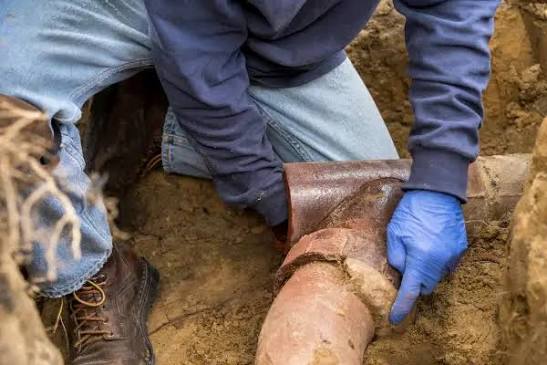
Most homeowners don’t think about their sewer line until something goes wrong. A slow-draining sink, an occasional toilet backup, or a patch of unusually green grass in the yard might seem like isolated inconveniences rather than warning signs of a larger plumbing issue. Unfortunately, sewer line problems often develop gradually, making them easy to overlook until repairs become more extensive.
The challenge is that a sewer system is hidden beneath the ground. Unlike a leaking faucet or dripping showerhead, homeowners can’t easily inspect the condition of underground pipes. Small warning signs are frequently dismissed as temporary annoyances, allowing minor issues to worsen over months or even years.
Understanding what homeowners commonly miss before a sewer line repair becomes necessary can help prevent unnecessary disruption, protect the home, and make plumbing decisions with greater confidence.
Why Sewer Line Problems Rarely Happen Overnight
Many people imagine sewer line failures as sudden events, but that’s rarely the case. In most homes, underground drainage systems deteriorate gradually due to a combination of age, environmental conditions, and everyday use.
Pipes experience constant exposure to wastewater, soil movement, moisture, tree roots, and changing temperatures. Over time, these factors slowly weaken the system. A small crack may allow roots to enter. Grease buildup may slowly reduce pipe capacity. Minor settling beneath the home can gradually change pipe alignment.
Because these changes occur slowly, homeowners often adapt without realizing something is wrong. They may begin plunging toilets more frequently or using drain cleaners more often without recognizing these as symptoms rather than solutions.
Small Drain Problems Often Point to Something Larger
One of the most common misconceptions is treating each plumbing fixture as an independent problem.
For example:
- The kitchen sink drains slowly.
- A bathtub occasionally gurgles.
- A downstairs toilet needs frequent plunging.
- Laundry drains more slowly than before.
Each issue may seem unrelated, especially if they don’t occur simultaneously.
However, plumbing professionals often note that multiple slow fixtures can indicate restrictions developing deeper within the home’s main sewer line rather than isolated drain clogs.
A blockage affecting the primary drainage pipe can create pressure changes throughout the plumbing system, causing seemingly unrelated symptoms in different parts of the house.
Temporary Improvements Can Create False Confidence
A plunger works.
The sink eventually drains.
The backup disappears after using a chemical cleaner.
These temporary improvements often convince homeowners the problem has been solved.
In reality, many sewer line problems are only partially relieved by temporary measures. Grease may shift without being removed. Roots may be pushed aside but continue growing. Debris may clear enough to restore flow while the underlying obstruction remains.
Weeks or months later, the same symptoms return—often more severe than before.
Repeated temporary fixes sometimes delay identifying the actual cause until sewer line repair becomes unavoidable.
Tree Roots Are More Persistent Than Many People Realize
Tree roots are among the leading causes of sewer line damage in residential properties.
Roots naturally seek moisture, making sewer pipes an attractive source of water and nutrients. Even extremely small pipe openings can allow tiny roots to enter. Once inside, they continue growing, trapping toilet paper, grease, and other debris flowing through the pipe.
Many homeowners assume removing a nearby tree eliminates the problem.
Unfortunately, existing roots may remain underground for years, while new landscaping can eventually create similar risks if planted too close to underground utilities.
According to experienced plumbers, root intrusion often develops slowly enough that homeowners don’t recognize the warning signs until recurring drainage issues become difficult to ignore.
Older Pipes May Still Function—Until They Don’t
Age alone doesn’t guarantee sewer line failure.
Many older homes continue operating with decades-old plumbing systems. However, older materials often become increasingly vulnerable to problems such as:
- Internal corrosion
- Cracks
- Joint separation
- Pipe scaling
- Structural weakness
Cast iron, clay, Orangeburg, and aging concrete pipes all have different lifespans and failure patterns.
Because deterioration usually occurs gradually, homeowners may not notice changes until wastewater flow becomes significantly restricted.
Rather than assuming old pipes must automatically be replaced, professional inspection helps determine their actual condition and remaining service life.
Landscaping Can Affect Underground Plumbing
Beautiful landscaping sometimes introduces unexpected plumbing challenges.
Large shade trees, decorative shrubs, retaining walls, irrigation systems, and even heavy outdoor structures influence soil movement around underground pipes.
As roots expand and soil shifts over time, buried sewer lines may experience:
- Increased pressure
- Joint separation
- Pipe displacement
- Reduced slope
- Cracking
Home improvement projects rarely include sewer line evaluations, yet construction activity can unintentionally affect underground infrastructure.
Understanding where sewer lines are located before major landscaping projects can reduce the likelihood of future plumbing complications.
Household Habits Matter More Than Most People Think
Everyday routines have a greater impact on sewer health than many homeowners expect.
Common contributors include:
Grease Disposal
Cooking grease may appear liquid when poured down the drain, but it cools and hardens inside pipes, gradually restricting flow.
“Flushable” Products
Many wipes marketed as flushable do not break down like toilet paper. They can collect inside sewer pipes and contribute to stubborn blockages.
Food Waste
Even homes with garbage disposals benefit from limiting fibrous vegetables, coffee grounds, eggshells, and starchy foods entering the drainage system.
Hygiene Products
Paper towels, cotton swabs, feminine hygiene products, and similar materials frequently create significant sewer obstructions because they resist breaking apart in water.
Over time, these habits may combine with aging pipes or root intrusion, increasing the likelihood that sewer line repair will eventually become necessary.
Weather and Soil Conditions Can Influence Sewer Performance
Many homeowners focus only on what happens inside the house, but conditions outside also affect underground plumbing.
Heavy rainfall can saturate soil surrounding sewer pipes, increasing pressure on aging infrastructure. Dry seasons may cause soil to contract, while wet periods encourage expansion.
This continuous movement places stress on underground piping over many years.
Properties located in areas with expansive clay soils or shifting ground conditions may experience additional strain that homeowners never see from the surface.
These environmental influences often explain why sewer issues appear without any obvious plumbing misuse inside the home.
Modern Sewer Inspections Reveal Problems Earlier
One of the biggest changes in residential plumbing is the widespread use of sewer camera inspections.
Rather than relying solely on symptoms, plumbers can now inspect underground pipes using specialized waterproof cameras inserted through existing cleanouts.
Camera inspections may identify:
- Root intrusion
- Pipe offsets
- Cracks
- Corrosion
- Grease buildup
- Standing water
- Structural defects
This allows homeowners to understand what is actually happening underground instead of relying on guesswork.
According to plumbers at Oasis Plumbing, visual inspections often help distinguish between maintenance issues and structural damage, allowing homeowners to make more informed decisions before problems become emergencies.
Not Every Sewer Issue Requires Immediate Replacement
One common misconception is believing every sewer problem means replacing the entire pipe.
In reality, sewer line repair depends on the specific condition of the pipe.
Some situations involve localized repairs where only a damaged section requires attention. Others benefit from cleaning or root removal before additional work becomes necessary.
Replacement typically becomes a consideration when structural deterioration is widespread or repeated repairs no longer provide lasting results.
Understanding the actual cause allows homeowners to evaluate appropriate solutions instead of assuming the worst.
Delaying Repairs Often Changes the Scope of the Problem
One overlooked aspect of sewer line repair is timing.
Minor structural damage rarely improves on its own.
Small cracks can widen.
Root intrusion continues growing.
Grease buildup becomes denser.
Pipe separations may worsen as soil shifts.
The longer these conditions remain unaddressed, the greater the possibility that additional sections of pipe become affected.
Early attention doesn’t always reduce repair costs, but it often limits the amount of damage that develops throughout the drainage system.
Home Renovations Can Expose Hidden Sewer Problems
Kitchen remodels, bathroom upgrades, room additions, and basement conversions frequently increase demand on existing plumbing systems.
A sewer line that has performed adequately for years may suddenly reveal weaknesses once household water usage changes.
Before investing heavily in renovation projects, evaluating the condition of older sewer infrastructure can help avoid discovering underground plumbing issues after construction is complete.
Many homeowners focus on visible finishes such as flooring, cabinets, or countertops while overlooking the drainage system that supports daily household use.
Regular Maintenance Is About More Than Preventing Clogs
Many homeowners associate plumbing maintenance with clearing drains.
In reality, maintaining sewer health involves a broader approach that includes:
- Paying attention to recurring drainage changes
- Avoiding improper disposal habits
- Managing nearby tree growth
- Scheduling inspections when warning signs appear
- Understanding the age of underground plumbing
- Addressing recurring backups instead of repeatedly masking symptoms
These habits contribute to a better understanding of the home’s plumbing system while reducing the likelihood of unexpected sewer disruptions.
Sewer Problems Can Affect More Than Plumbing
When homeowners think about sewer line repair, they often picture clogged toilets or slow drains.
However, unresolved sewer problems may also affect other aspects of the home, including:
- Lawn conditions
- Landscaping
- Foundation-adjacent soil
- Indoor air quality from sewer odors
- Everyday household convenience
- Renovation planning
- Long-term maintenance budgets
Viewing the sewer system as part of the home’s overall infrastructure encourages a more proactive approach to maintenance instead of reacting only after major failures occur.
A Better Understanding Leads to Better Decisions
Most sewer line problems begin with subtle changes rather than dramatic emergencies. Slow drains, recurring clogs, occasional odors, or isolated backups often seem manageable on their own, yet they can reflect conditions developing beneath the surface that deserve closer attention.
Recognizing these early warning signs helps homeowners move beyond temporary fixes and better understand how underground plumbing changes over time. Aging pipes, shifting soil, tree roots, and everyday household habits all contribute to the long-term condition of a sewer system, making routine awareness just as important as responding to visible problems.
The more homeowners understand what commonly goes unnoticed before a sewer line repair becomes necessary, the better prepared they are to maintain one of the home’s most important—but often overlooked—infrastructure systems.