

Material selection in construction often gets reduced to surface-level decisions, such as what looks better, what’s affordable, and what’s in stock. Thickness rarely gets the same attention, even though it’s usually the factor that decides how well something holds up a year down the line.
A board’s depth changes how it behaves in ways that aren’t always obvious at first. Everything can look solid on day one, but over time, the difference starts to show, such as slight movement, a bit of flex, or that subtle instability that wasn’t part of the original plan. Most of the time, that traces back to thickness being underestimated early on.
Why Thickness Gets Overlooked
There’s a tendency to assume that if a material is strong, it will perform regardless of dimensions. That’s not how it plays out in real use. A thinner board might meet basic requirements on paper, but repeated load tells a different story. Flooring that feels firm initially can develop a slight bounce. Shelving starts to dip in the middle. Work surfaces lose that sense of rigidity.
The American Wood Council has long emphasised that dimensions carry as much weight as material grade in structural performance. Even a small increase in thickness can change how a board distributes load and resists movement. It’s not that major, but it’s noticeable over time.
Solid vs Engineered: Where Thickness Changes the Decision
The usual comparison between solid and engineered wood tends to focus on stability versus tradition. That’s only part of the picture. Engineered boards are consistent. They’re built to handle changes in humidity without shifting too much, which makes them predictable. But they’re also layered systems, and once those layers are compromised, options become limited.
Solid wood is less controlled but more forgiving. It can be reworked, refinished, adjusted. The catch is that its performance depends heavily on getting the thickness right from the start.
This is where the difference becomes practical. Engineered boards achieve strength through construction. Solid wood relies on its actual mass. In situations where load matters, that distinction starts to outweigh everything else.
Span, Load, and What Actually Happens Over Time
Load capacity isn’t just about whether something holds; it’s about how it holds after months of use. As spans increase, thickness has to follow. That relationship is straightforward, but it’s often pushed aside to save cost or simplify installation. The result isn’t failure in the dramatic sense. It’s slower than that. Shelves begin to sag slightly. Floors develop uneven spots. Nothing breaks immediately, but nothing feels quite right either.
Research shows that small increases in thickness can significantly reduce deflection over time. In practical terms, that often means fewer corrections later, less need for additional supports or adjustments.
Wear, Tear, and Everyday Use
Durability tends to get framed around resistance to moisture or decay, but daily stress is just as important. Thinner boards take on more strain with each use. That strain adds up. Over time, surfaces begin to show it, such as slight warping, uneven wear, and finishes that don’t sit as cleanly as they once did.
Thicker boards handle that differently. The load spreads out more evenly, and the surface holds its shape longer. In high-traffic areas, that difference becomes clear fairly quickly. There’s also a practical advantage that often gets missed: refinishing. Thicker material gives more room to restore surfaces without affecting structural integrity. That alone can extend the usable life of an installation by years.
Where Decisions Start to Slip
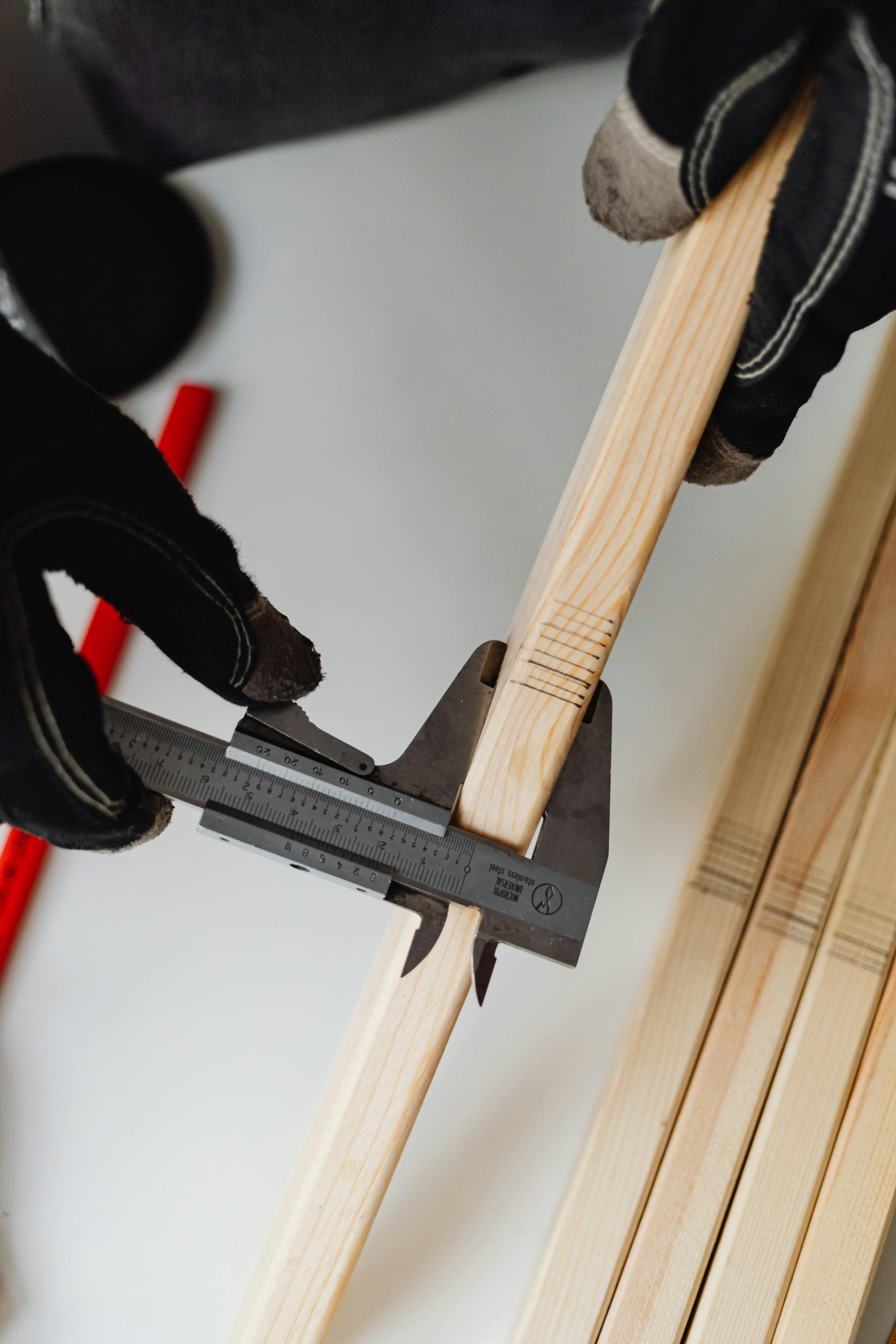
On paper, thickness decisions are very simple and straightforward. On-site, they rarely are. Budgets tighten. Timelines shift. Materials that were planned aren’t always available. Thickness is one of the first things that gets adjusted to make everything else fit. That’s usually where issues begin. Warping or sagging often gets blamed on material quality, but in many cases, it comes down to boards being slightly undersized for the job they were given.
In situations where both durability and ease of use matter, materials like Thick Pine Boards tend to sit in a workable middle ground. They’re easier to handle than denser hardwoods, but when used at the right thickness, they still offer enough structural reliability for most standard applications.
Cost vs Outcome
Reducing thickness can make a project look more efficient on paper. Lower material costs, easier handling, quicker installation. But that saving doesn’t always hold. Thinner boards often need additional support or earlier replacement. The cost just moves; it doesn’t disappear.
Thicker boards require more upfront investment, but they tend to simplify things overall. Fewer adjustments, fewer reinforcements, and fewer surprises later on.
Final Thought
Thickness doesn’t usually cause immediate problems when it’s wrong. It creates small inconsistencies that build over time. That’s what makes it easy to ignore and expensive to fix later.
Getting it right early isn’t about overbuilding. It’s about avoiding a slow decline in performance that could have been prevented with a slightly different specification.