Military service can leave deep scars. Some are easy to see. Others stay hidden for years. Many veterans return home carrying trauma, stress, or addiction. A missed court date, a DUI, or a drug charge can snowball fast. Before long, jail feels close. That’s where the Kansas City Specialty Courts step in with a different path. The Veterans Court in Kansas City focuses on healing first. Punishment still exists, sure, but the main goal is change. Real change. The kind that helps veterans rebuild their lives instead of sitting in a jail cell. And honestly, that shift matters more than most people think.
So, What Is Veterans Court?
Veterans Court is a treatment-based court program for former military members facing criminal charges. It works a bit like a strict support system. Participants follow court rules, attend treatment, meet with mentors, and appear before a judge often. The court keeps close watch on progress. This is not a “get out of jail free” card. Far from it. Veterans must earn their way through the program. They stay sober. They attend counseling. They show up. If they fail to follow the rules, penalties can happen quickly. Still, the focus stays on recovery. That’s the key difference.
Why Veterans Sometimes End Up in Trouble
Life after service can feel strange. Veterans move from a tight military structure into civilian life overnight. That shift hits hard. Some struggle with:
- PTSD
- Depression
- Drug or alcohol use
- Anxiety
- Homelessness
- Trouble finding work
A lot of these issues connect. One bad night can lead to an arrest. Then another. Then another. You know what? Many veterans never planned to break the law. They simply lost their footing. Veterans Court looks at the full picture instead of just the charge sheet.
A Courtroom That Feels Different
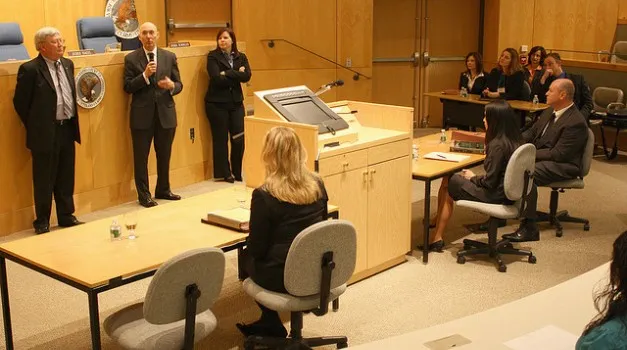
Walk into a Veterans Court session and you’ll notice something unusual. People know the participants by name. The judge speaks directly to them. Mentors check in often. Treatment staff give updates. There’s structure, but there’s also respect. That matters more than it sounds. Traditional courts often move fast. Case after case rolls through like cars at a toll booth. Veterans Court slows things down enough to ask a bigger question: “What caused this behavior?” That question changes everything.
How Veterans Court Helps Veterans Stay Out of Jail
Here’s the thing — jail alone rarely fixes addiction or trauma. Veterans Court tries to stop the cycle before it grows worse. Participants may receive:
- Mental health treatment
- Substance abuse counseling
- Peer mentorship
- Housing support
- Job assistance
- Regular drug testing
- Court supervision
The process can take months or even years. It’s demanding. Some veterans say it’s harder than jail because they must face their problems head-on. But the payoff is huge. Successful participants may avoid jail time, reduce charges, or even have charges dismissed in some cases. More importantly, many leave healthier and more stable. That’s a win for families, too. Kids get parents back. Spouses regain trust. Homes become calmer. A ripple effect starts.
The Power of Veteran Mentors
One part of Veterans Court stands out again and again — peer mentors. These mentors are veterans themselves. They understand military culture, dark humor, sleepless nights, and the feeling of being disconnected after service. That shared experience builds trust fast. Sometimes advice lands better coming from another veteran than from a lawyer or therapist. It’s kind of like hearing directions from someone who already drove the same rough road. Simple. Honest. Real. Many participants say their mentor became the reason they kept going.
Beyond the Bench KC Supports the Mission
Organizations like Beyond the Bench KC help strengthen this work across Kansas City, Missouri. Their mission centers on support, awareness, and second chances. They back the rehabilitative goals of Specialty Courts because lasting justice means more than punishment alone. That idea sticks with people. Someone battling trauma does not always need a jail cell. Sometimes they need treatment, guidance, and accountability together. Beyond the Bench KC helps spread that message through community support and outreach. The group reminds people that recovery is possible, even after serious mistakes. And frankly, communities become safer when people heal instead of repeating the same cycle.
Accountability Still Matters
Some people hear “treatment court” and think it sounds soft. It’s not. Veterans Court requires constant effort. Participants attend meetings, pass drug tests, and follow strict schedules. Missed appointments can lead to sanctions or short jail stays. The court balances compassion with discipline. That balance works because veterans already understand structure. Many respond well when expectations stay clear and consistent. It’s a bit like physical therapy after an injury. Painful at times. Frustrating too. Yet step by step, progress happens.
Why Kansas City’s Approach Matters
Kansas City continues building stronger support systems for veterans through Specialty Courts and local advocacy groups. That matters because the stakes are high. Without help, many veterans face repeat arrests, homelessness, broken families, or addiction. Jail often delays those issues instead of fixing them. Veterans Court gives people a real shot at stability. Not every participant succeeds. Some struggle. Some relapse. Recovery rarely moves in a straight line. Still, many veterans complete the program and move forward with dignity intact. That’s the goal. Not perfection. Progress.
FAQs
1. What crimes qualify for Veterans Court in Kansas City?
Eligibility depends on the case and the veteran’s background. Many non-violent offenses qualify, including drug charges, DUI cases, and theft-related crimes. Serious violent crimes may not qualify.
2. Does Veterans Court replace jail completely?
Not always. Some participants may still serve short jail sanctions for rule violations. The main goal is treatment and recovery instead of long-term incarceration.
3. Who can join Veterans Court?
Military veterans facing criminal charges may qualify. The court usually reviews service history, criminal records, and treatment needs before approval.
4. How long does the Veterans Court program last?
Most programs last several months to over a year. The timeline depends on progress, treatment success, and court requirements.
5. How does Beyond the Bench KC help veterans?
Beyond the Bench KC supports awareness and community backing for Kansas City Specialty Courts. The group promotes rehabilitation, accountability, and long-term recovery for veterans and others in treatment courts.