
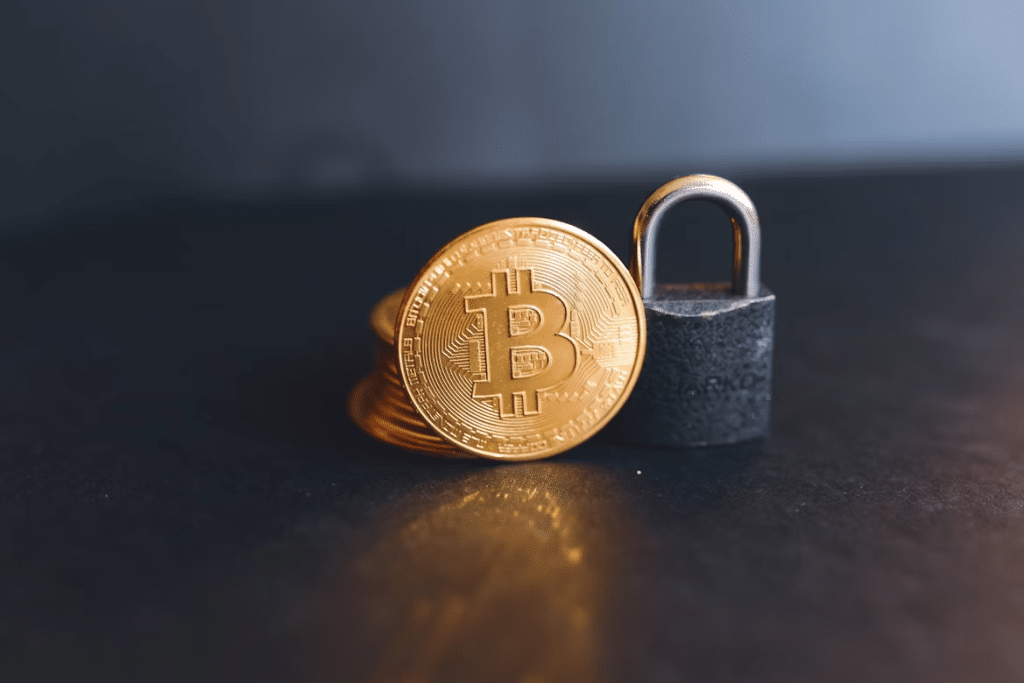
Cryptocurrency adoption continues to grow rapidly, but so do the associated risks. Fraud schemes are becoming more sophisticated, and users often lose access to wallets and funds due to errors in managing digital assets.
To better understand how to protect digital assets and improve security, we reached out to BitHide experts for their insights. They highlighted that long-term protection of digital assets depends on strong security practices, proper key management, and well-structured operational processes.
Digital Asset Storage Methods
The first and most crucial step to ensuring the security of digital assets is choosing a wise storage method. Users have several options to choose from.
- Exchange wallets. The most convenient for trading, but they carry the greatest risk of being hacked;
- Software wallets. These allow you to maintain complete control over your private keys. However, they are vulnerable to malware;
- Hardware wallets. These are considered the most secure methods because keys are stored offline;
- Multi-signature. This allows access to be distributed among several security keys. This significantly reduces the risk of asset theft.
According to analysts, the use of multi-signature and hardware wallets is currently considered the most effective in terms of security. These solutions can significantly reduce the risk of losing digital assets.
Securing Transaction Processes and Operational Data
Blockchain technology is inherently transparent, with transactions recorded on a public ledger. While this supports auditability, it also requires businesses to implement safeguards that protect sensitive operational data and reduce exposure to potential risks.
When working with solutions such as a white label crypto wallet, it is especially important to focus on securing access, controlling transaction flows, and maintaining a structured operational environment.
Rather than attempting to obscure transactions, modern security practices are centered around:
- using secure and controlled environments for accessing wallets and executing transactions;
- implementing strong authentication and access management policies;
- structuring transaction workflows to minimize the exposure of sensitive data;
- monitoring activity to detect unusual or potentially risky behavior.
According to BitHide experts, maintaining strong operational security depends on combining reliable infrastructure with disciplined internal practices. This includes enforcing multi-factor authentication, regularly updating access credentials, and ensuring that all transaction activity is managed within a secure and controlled environment.
Best Practices for Protecting Crypto Assets
If you’re interested in protecting your crypto wallet and preventing data leaks and asset theft, it’s important to use a systematic approach to protecting against modern threats.
The first is to get it into a habit of ensuring that your software is up to date on a regular basis. The use of an old wallet may be the source of vulnerabilities that may be exploited by malicious persons. Second, use hardware keys. They contribute hugely towards the degree of protection and security. Third, never leave your seed phrases on the Internet without making copies of them and keep those offline.
Also, remember the importance and effectiveness of two-factor authentication. Prefer physical tokens. And of course, follow basic rules when using crypto wallets while connected to public internet networks. Best of all, avoid conducting any transactions at all if you’re connected to an unsecured internet connection.
According to BitHide, even one minor error can lead to attacks on your digital assets and complete data loss.
How to Choose Effective Security Tools
Selecting the right security tools depends on the operational requirements and risk profile of the user or business. Solutions used for frequent transactions may differ from those designed for long-term asset storage.
For example, online wallets can support day-to-day operations but require additional safeguards to protect access and prevent unauthorized activity. In contrast, offline storage and hardware-based solutions are better suited for securing long-term holdings.
For businesses managing higher transaction volumes or more complex workflows, combining multiple security layers is essential. This may include multi-signature setups, hardware-based key management, and continuous monitoring of transaction activity to detect potential risks.
The most effective approach is not relying on a single tool, but building a structured system that integrates security practices, access control, and operational oversight.
Final Thoughts
Securing digital assets is not a one-time action, but an ongoing process. Effective protection relies on combining reliable storage methods, strong authentication, and consistent security practices.
BitHide experts emphasize that the future of crypto security depends not only on technology, but also on operational discipline and user awareness. Organizations and individuals that take a structured approach to key management, access control, and data protection significantly reduce risks and can operate more confidently in an evolving digital asset environment.