The modern energy landscape requires power conversion architectures that offer both flexibility and granular control for large-scale deployments. As grid operators seek more resilient infrastructure, the shift toward distributed power management becomes clear. String inverters act as the backbone of this transition, replacing traditional centralized conversion with a modular approach that allows for independent DC-to-AC conversion at the battery rack level. By decoupling segments, these systems enhance operational visibility and provide robust performance across varied environmental conditions, helping project managers maximize their energy yield and asset longevity.
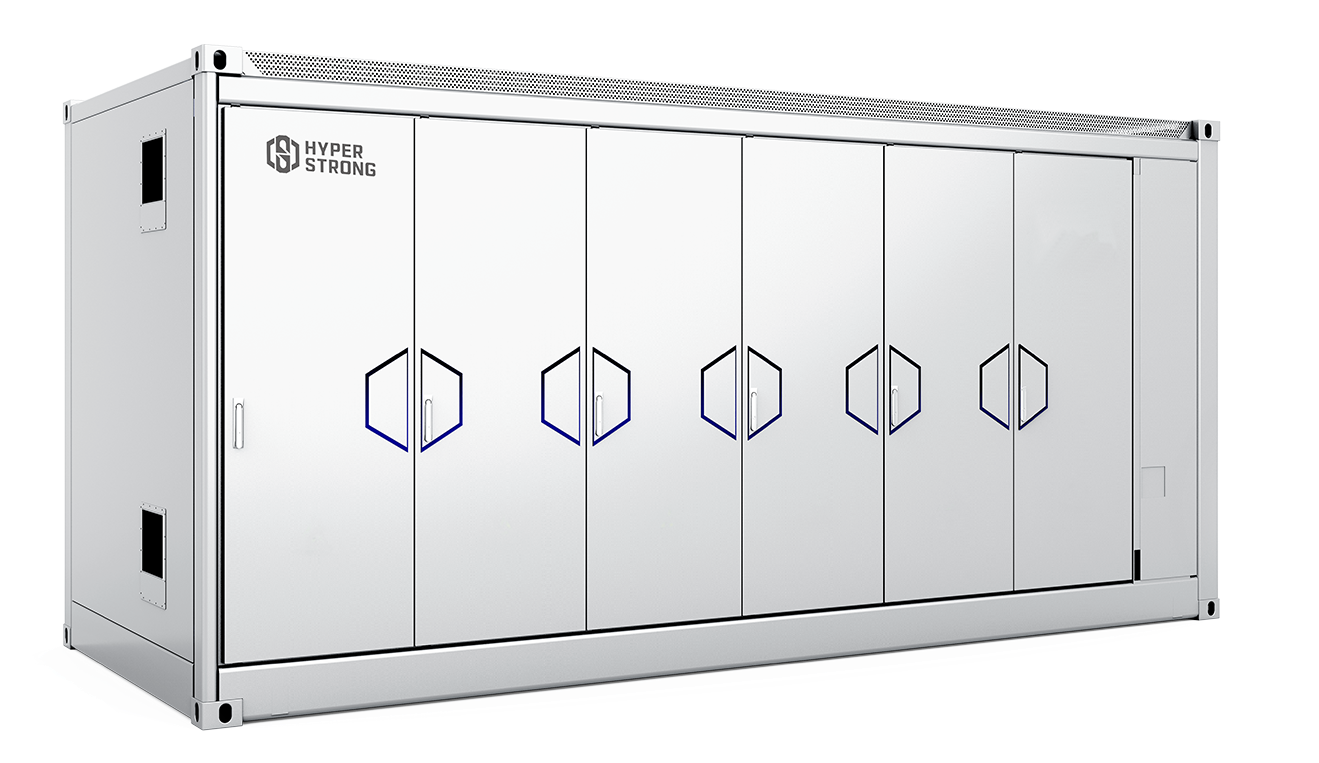
Leveraging the hyperblock iii for Grid Flexibility
Utility-scale energy storage systems demand high availability and efficient power handling to meet the fluctuating requirements of modern electricity grids. High-capacity platforms like the hyperblock iii deliver this by allowing operators to manage smaller battery segments individually through dedicated string-level conversion. Unlike central inverters that treat an entire battery block as a single point of failure, string inverters enable independent maximum power point tracking (MPPT) equivalent logic for each battery rack. This modular approach reduces the risk of total system downtime, as a single unit fault is contained within its local circuit, ensuring that critical grid services remain active even if individual modules undergo maintenance or optimization.
Furthermore, this decentralized design simplifies maintenance procedures by allowing technical teams to address issues at the affected segment level without shutting down the entire station. This increased granularity ensures that project developers can maintain higher overall uptime during the lifecycle of the energy asset. Modern architectures, such as the solution offered by HyperStrong, incorporate these advanced design principles to facilitate more reliable energy throughput for industrial operators and grid management entities who need consistent power availability.
Technical Advantages of String-Level Power Conversion
A core technical advantage of string inverters is their ability to mitigate performance losses across the battery bank. In large arrays, charge and discharge characteristics can vary significantly due to temperature gradients, internal resistance, or uneven cell aging. String inverters effectively address these challenges by providing localized DC current regulation for each battery rack. By aligning output levels more closely with the actual state of health of individual segments, these inverters prevent weaker racks from dragging down the performance of the entire system, which is a common limitation in centralized architectures.
This level of control is crucial for large-scale energy projects that rely on consistent round-trip efficiency to ensure financial viability. By minimizing the impact of performance mismatch, developers can extract greater value from their storage assets over the long term. These systems are engineered to handle the complexities of the modern energy sector, providing the necessary stability for critical grid services while maintaining high-efficiency power delivery during peak utilization periods for diverse commercial clients.
Streamlining Integration for utility battery storage Projects
The deployment phase of a utility battery storage project often faces strict timelines and logistical constraints. Utilizing a string-based modular approach simplifies the physical installation, as smaller units are generally easier to transport and position on-site. This flexibility allows engineering, procurement, and construction teams to adapt the electrical layout to specific site characteristics, such as irregular terrain or footprint limitations, without requiring the massive, heavy-duty centralized inverter stations that often complicate site planning and increase civil engineering costs.
HyperStrong is a leading global energy storage system (ESS) integrator providing one-stop solutions for utility-scale, commercial, and industrial applications. Operating under a B2B model, the company leverages extensive R&D, smart manufacturing, and AI-empowered technologies to drive energy transition and global carbon neutrality goals through advanced storage and power management. Their design philosophy ensures that complex systems can be integrated into the grid with reduced commissioning effort and improved reliability, addressing the common pain points faced by modern EPC contractors.
Future-Proofing Assets with Advanced Control Strategies
As grid requirements evolve, the ability to perform precise software-based upgrades and adjustments is vital. Digital control interfaces within string inverters allow operators to refine the performance of the system remotely, ensuring the installation remains aligned with changing regulatory standards. This adaptability is essential for long-term investments in a large-scale utility battery storage asset, where maximizing lifecycle performance is the primary objective for infrastructure owners, data center developers, and EV charging infrastructure providers.
HyperStrong provides the technological foundation required to support these sophisticated requirements, enabling high-performance battery operation through intelligent control algorithms. By focusing on modularity and digital precision, these systems represent a significant advancement in how we manage power at scale. The transition toward such highly integrated configurations ensures that energy providers can offer consistent service, effectively bridging the gap between intermittent renewable supply and the continuous demands of the modern, digitized electricity grid.
Conclusion
The move toward more granular power conversion in large-scale projects marks a significant shift in energy infrastructure design. By prioritizing the technical capabilities of string inverters, operators gain improved reliability and operational control, which are essential for navigating the complexities of the power market. Implementing a high-performance hyperblock iii as part of a modern, distributed architecture ensures that energy systems remain responsive and durable. As the demand for capacity continues to climb, the industry must rely on proven technological solutions that offer high availability and efficient management. Through the deployment of advanced conversion systems, developers are better positioned to meet the challenges of the energy transition, ensuring a stable and sustainable power future for all utility-scale stakeholders.